How To Master The Art Of Drilling With Hammer Drills
This guide will help you master the art of drilling with hammer drills, an imperative tool for anyone looking to tackle tough materials like concrete and masonry. By understanding the mechanics of the tool and implementing proper techniques, you can ensure your projects are efficient and safe. You’ll learn how to choose the right drill bits, handle the tool effectively, and avoid common pitfalls that can lead to injury or poor results. Equip yourself with these skills and elevate your DIY or professional work to new heights!
Contents
- Understanding Hammer Drills
- What is a Hammer Drill?
- How Hammer Drills Work
- How to Choose the Right Hammer Drill
- Factors to Consider
- Types of Hammer Drills
- How to Prepare for Drilling
- Essential Safety Tips
- Setting Up Your Work Area
- How to Master Drilling Techniques
- Correct Drilling Methods
- Common Mistakes to Avoid
- How to Maintain Your Hammer Drill
- Regular Maintenance Tips
- Troubleshooting Common Issues
- Advanced Tips for Proficient Drilling
- Techniques for Different Materials
- Enhancing Precision and Efficiency
- To wrap up
Understanding Hammer Drills
Your journey into the world of hammer drills begins with a solid understanding of what they are and how they fit into your toolkit. These powerful tools combine rotary motion with a rapid hammering action, making them highly effective for drilling into hard materials such as concrete and masonry. Mastering this tool will not only enhance your DIY projects but also ensure safety and efficiency in your work.
What is a Hammer Drill?
To put it simply, a hammer drill is a specialized tool that delivers both rotational and percussive force to help you drill through tough surfaces. Unlike regular drills, which only rotate, hammer drills use a mechanism to create a hammering effect. This makes them ideal for tackling challenging materials, providing you with versatility and power in your drilling tasks.
How Hammer Drills Work
Hammer drills operate by employing two motions simultaneously: a spinning motion and a rapid, linear hammering action. When you engage the drill, powerful internal mechanisms create a high-speed hammering force that drives the drill bit in and out of the surface. This dual-action allows you to penetrate tough materials swiftly and efficiently, making the task at hand much simpler.
A typical hammer drill uses an electric motor to rotate the drill bit, while a set of internal springs and pistons generates the hammering action. This combination makes it particularly effective for drilling into tough surfaces like concrete, brick, and stone. When using a hammer drill, ensure your grip is firm and that you’re wearing appropriate safety gear, as the tool can generate significant vibrations and force. Utilizing the right bit, aligning your stance, and initializing the drill properly will enhance your results and keep your drilling experience safe.
How to Choose the Right Hammer Drill
There’s a variety of factors to consider when selecting the perfect hammer drill for your projects. Understanding your needs will not only ensure efficiency but also enhance your overall drilling experience.
Factors to Consider
An array of important factors will guide your decision-making process.
- Power Source – Corded versus cordless options.
- Impact Energy – Choose based on material type.
- Weight – Consider portability versus stability.
- Speed Settings – Multiple speeds for different applications.
- Safety Features – Look for those that protect the user.
After evaluating these aspects, you’ll be well-equipped to make an informed choice.
Types of Hammer Drills
On the market, you’ll encounter various types of hammer drills tailored to specific tasks.
- Standard Hammer Drills – Ideal for light-duty tasks.
- Rotary Hammer Drills – Best for heavy-duty jobs.
- Combination Hammer Drills – Versatile for multiple applications.
- Pneumatic Hammer Drills – Great for professional use.
- Electric Hammer Drills – Convenient for home projects.
Any of these options can streamline your drilling endeavors depending on your specific needs.
Another important aspect to consider is the application of each type of hammer drill in different environments. Use the table below for more insights:
| Type | Usage |
| Standard Hammer Drills | Ideal for light masonry tasks. |
| Rotary Hammer Drills | Perfect for heavy concrete drilling. |
| Combination Hammer Drills | Offers both drilling and chiseling. |
| Pneumatic Hammer Drills | Utilized in industrial applications. |
| Electric Hammer Drills | Best for home renovations. |
Any drill can enhance your efficiency and efficacy if chosen thoughtfully according to your tasks. You will find that the right hammer drill significantly improves your drilling results, helping you achieve your project goals with confidence.
How to Prepare for Drilling
Clearly, effective preparation is important for mastering the art of drilling with hammer drills. Before you start, evaluate your project by gathering all necessary tools and materials, ensuring that your drill is functioning correctly, and selecting the appropriate drill bit for your specific application. Additionally, check the surface you’ll be drilling to avoid any potential hazards and ensure maximum precision.
Essential Safety Tips
Clearly, prioritizing safety while drilling is paramount. Take note of these important tips:
- Wear safety glasses to protect your eyes.
- Use ear protection to guard against loud noises.
- Keep hands and body away from the drill bit.
- Ensure that your workspace is clear of any obstacles.
Assume that following these guidelines will help prevent accidents and ensure a successful drilling experience.
Setting Up Your Work Area
The proper setup of your work area is fundamental for optimal performance and safety while using a hammer drill. Clear any clutter and ensure that you have a stable surface to work on. Make sure your power source is safely positioned and that electrical cords are not a tripping hazard. Position your tools and materials within an easy reach to minimize unnecessary movements. Keeping the area well-lit with
adequate ventilation will also greatly enhance your experience.
Setting up a safe and organized workspace helps in achieving better results while using your hammer drill. Ensure that your drill is connected to a reliable power source, and double-check that any dust or debris is cleared away. Utilize clamps or supports to secure larger materials, providing additional stability as you drill. Overall, maintaining a well-structured environment not only increases your efficiency but also fosters a sense of confidence as you undertake your drilling tasks.
How to Master Drilling Techniques
Many factors play a role in mastering drilling techniques with hammer drills. By focusing on the right practices, you can enhance your efficiency and achieve precise results. Begin by understanding the various types of materials you will be drilling into, as this will help you select the appropriate drill bit and settings. Moreover, developing a steady hand and a keen sense of pressure will ensure that you can drill effectively without damaging your work surface. With time and practice, you will significantly improve your hammer drilling skills.
Correct Drilling Methods
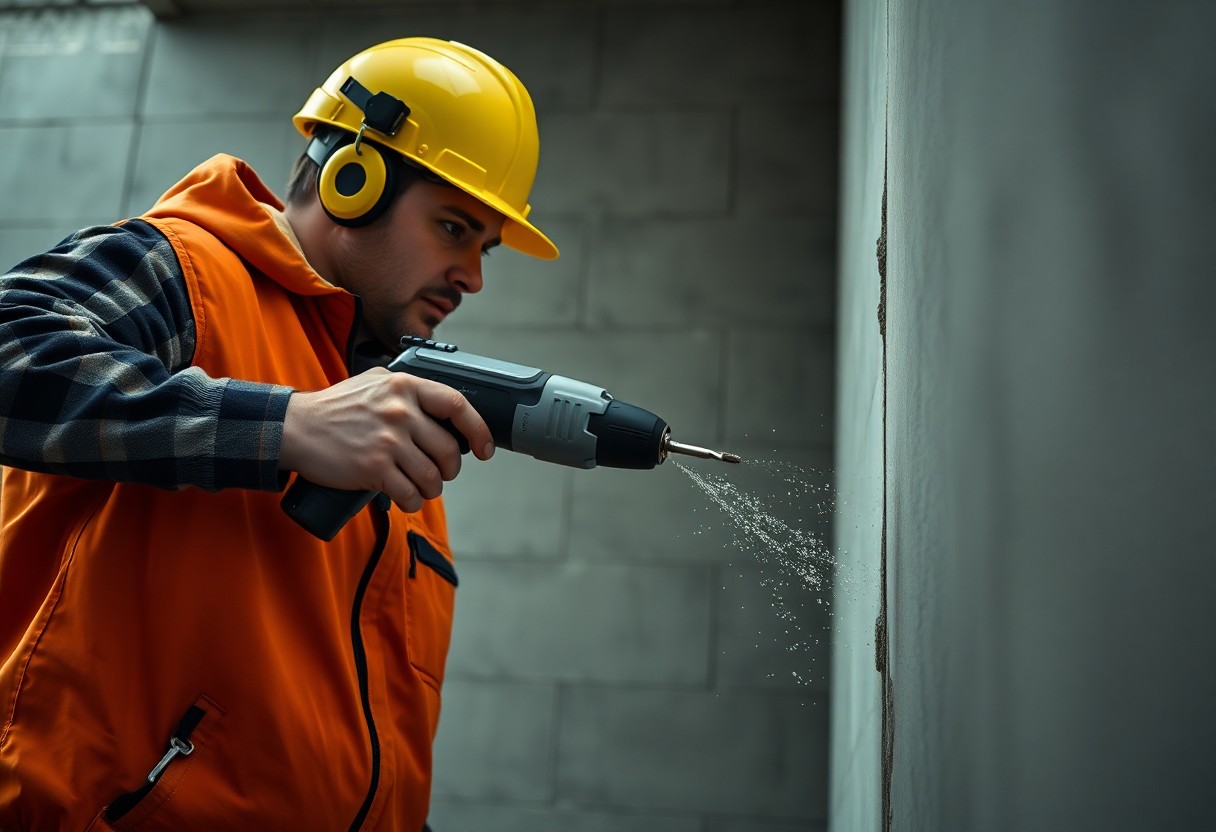
Drilling effectively involves a few fundamental methods. Start by ensuring that your drill is set to the right mode—hammer for masonry and standard for wood or metal. Position the drill bit at a 90-degree angle to the surface for a straight hole, and apply moderate pressure to avoid overheating the bit. Always keep your eye on the drilling depth by using depth stops or measuring tape. By mastering these methods, you will achieve cleaner, more efficient results.
Common Mistakes to Avoid
One of the most frequent mistakes novice drillers make is applying too much pressure while drilling. This can lead to overheating and damage to both the drill bit and the material you’re working on. Instead, allow the hammer drill to do the work by maintaining even, gentle pressure. Additionally, neglecting to use the right drill bit for the material can result in inefficient drilling and poor results.
For instance, using the incorrect drill bit can lead to breakage, significantly increasing risks of injury or damaging your project. Always select a drill bit suitable for the material you are working with, as inadequate choices can impair your ability to drill effectively. Also, failing to wear appropriate protective gear can expose you to flying debris and injuries. Being mindful of these common pitfalls will enable you to achieve better outcomes and maintain safety while drilling.
How to Maintain Your Hammer Drill
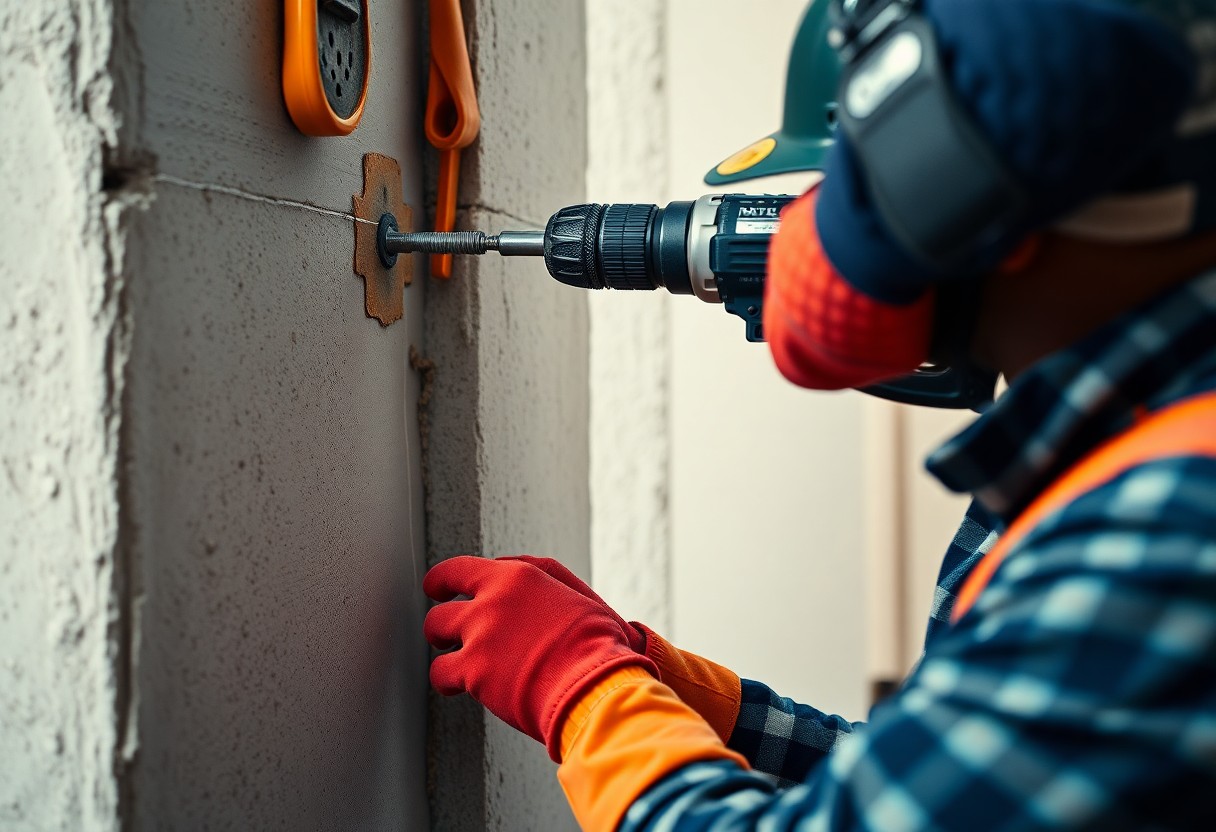
For ensuring the longevity and peak performance of your hammer drill, proper maintenance is important. Regular checks on its components and cleaning can prevent costly repairs and replacements over time. Make it a habit to inspect your drill before each use to keep it running smoothly and efficiently.
Regular Maintenance Tips
You should follow these simple yet effective maintenance tips for your hammer drill:
- Keep the chuck clean and free of debris.
- Inspect carbon brushes for wear and replace them when necessary.
- Lubricate the drill’s moving parts regularly.
- Ensure the power cords and connectors are in good condition.
Thou shalt perform these tasks regularly to extend the life of your drill.
Troubleshooting Common Issues
Little issues with your hammer drill can often be fixed with some simple troubleshooting steps. If you encounter problems such as reduced power or inconsistent hammering, check the battery connections first and replace any worn-out components.
Tips for troubleshooting include: checking the power source to ensure it’s delivering adequate voltage, inspecting the drill bits for damage, and cleaning the air vents to prevent overheating. If you experience constant issues, it may be wise to consult a professional. Your safety is paramount; therefore, always disconnect the tool from power before performing any checks to avoid accidents.
Advanced Tips for Proficient Drilling
Unlike basic drilling techniques, advanced drilling requires a deeper understanding of your tools and materials. Mastering these tips will elevate your drilling skills:
- Maintain a consistent speed and pressure.
- Utilize the correct drill bit for each material.
- Keep your drill’s motor cool to prevent overheating.
- Use a guide or template for accuracy.
- Regularly check and maintain your drill for optimal performance.
| Key Considerations | Details |
|---|---|
| Surface Preparation | Clean surfaces to avoid friction. |
| Safety Gear | Always wear eye protection and gloves. |
Techniques for Different Materials
Assuming you are drilling into various materials, understanding the right techniques for each is crucial. For instance, masonry requires a masonry bit and a slower drilling speed to prevent bit damage. In contrast, wood can handle faster speeds and wood-specific bits for clean holes. Adjusting your approach based on the material will significantly improve your results.
Enhancing Precision and Efficiency
While you drill, enhancing precision and efficiency can be achieved by making incremental adjustments to your technique. Align your drill bit precisely to the target spot before starting, use a steady hand to minimize errors, and ensure that you have adequate lighting. These practices will lead to improved accuracy and reduced wasted material.
Enhancing your drilling precision and efficiency is vital for achieving professional results. Using a clamp to secure your workpiece can help prevent movement while drilling. Similarly, marking the exact spot with a center punch can reduce the risk of the drill bit wandering. Practicing techniques like peck drilling can improve efficiency by removing smaller amounts of material at a time, lowering heat buildup and allowing for better control. By implementing these strategies, you can significantly elevate the overall quality of your drilling projects.
To wrap up
Summing up, mastering the art of drilling with hammer drills requires understanding the tool’s mechanics, selecting the right drill bits, and applying proper techniques for each material. Always ensure you wear appropriate safety gear, maintain a steady grip, and utilize the drill’s settings effectively. With practice and the right approach, you can enhance your drilling skills, making your projects more efficient and enjoyable. By incorporating these tips into your routine, you’re well on your way to becoming proficient in using hammer drills.
