Best Hammer Drills 2025
Whether you’re a professional contractor or a dedicated DIY enthusiast, having the right hammer drill can make the difference between a project that’s a breeze and one that becomes a frustrating ordeal. These powerful tools are essential for tackling tough materials like concrete, masonry, and stone, combining the rotating action of a standard drill with a hammering motion that pulverizes as it penetrates. With numerous options available on the market, ranging from lightweight cordless models to heavy-duty corded powerhouses, choosing the perfect hammer drill for your needs can feel overwhelming. In this guide, we’ll break down the top hammer drills of 2023, considering factors like power output, durability, ergonomics, and value for money, to help you make an informed decision that will serve your projects for years to come.
Contents
- Top 5 Hammer Drills:
- 1. Milwaukee M18 Fuel 18-Volt Hammer Drill/Driver Kit – Best Hammer Drill Overall
- 2. Dewalt XR 20-Volt Cordless Hammer Drill – Best Cordless Hammer Drill
- 3. Makita Cordless ½-Inch Hammer Driver-Drill Kit – Best Heavy-Duty Hammer Drill
- 4. DeWalt 20V MAX SDS Rotary Hammer Drill Kit – Best Splurge Hammer Drill
- 5. Black+Decker 6.5-Amp Corded Hammer Drill – Best Budget Hammer Drill
- Things To Consider When Buying a Hammer Drill:
- Understanding Hammer Drills
- Types of Hammer Drills
- Key Features to Look For
- Important Factors to Consider
- Power and Performance
- User Comfort and Handling
- Pros and Cons of Hammer Drills
- Advantages of Using a Hammer Drill
- Disadvantages to Keep in Mind
- Step-by-Step Guide to Buying a Hammer Drill
- Researching Brands and Models
- Setting a Budget
- Tips for Selecting the Right Hammer Drill
- Assessing Your Needs
- Evaluating Reviews and Recommendations
- Maintenance and Care
- Keeping Your Hammer Drill in Top Shape
- Common Issues and Troubleshooting
- Summing up
Top 5 Hammer Drills:
1. Milwaukee M18 Fuel 18-Volt Hammer Drill/Driver Kit – Best Hammer Drill Overall

The Milwaukee M18 Fuel 18-Volt Hammer Drill/Driver Kit which was delivered to our home covered every job. This model features a strong performance but becomes your darling for projects in tight areas after extensive testing.
Measuring 6.9 inches long and weighing less than 5 pounds, it is easy to carry around. It goes through wood and concrete with large holes like it’s nothing, a signature of any good hammer drill. It does not take long for this tool to prove its versatility, as it can bore holes in wood and steel, up to 1.5 inches wide. The smart addition of a clutch helps you avoid stripped screws and splintered wood when driving or drilling.
With both drill-only and hammer-drill modes, this tool’s ready for any situation. Its hammer mode delivers 33,000 blows per minute, so it drills exceptionally well through tough materials. Stay comfortable with a built in LED work light that makes dim areas more visible.
A strong brushless motor provides smoother operation and is more resistant to overheating. You will appreciate the rubberized handles to reduce vibration for extra comfort on longer jobs. AutoStop Control Mode improves safety by stopping the bit from rotating should it lock.
Though it doesn’t have variable speed control, two speed settings ranging from 0 to 2,100 rpm allow you to handle various materials with ease. M18 Fuel continues to show it is a upper-tier hammer drill.
2. Dewalt XR 20-Volt Cordless Hammer Drill – Best Cordless Hammer Drill

The Dewalt XR 20-Volt Cordless Hammer Drill: power meets precision. It is a workhorse beast for serious projects and is one of the top picks of professionals. It may be overkill for DIYers who mostly work with lighter materials, but it makes short work of tougher stuff like concrete and metal.
This drill shined in testing, easily sinking screws into a variety of materials. It was a treat watching it work perfectly in wood and masonry, even at larger diameters. The consistency only improves with extended use, with the strong battery life powering me through as much as an hour seamlessly.
You can trust it to be sturdy; it survived a couple of accidental drops without a scratch. Dewalt also provides two batteries, so one is always ready to go while the other is on the charger. It has three speeds to use with any task. This 0 to 2,000 rpm range provides versatility in drilling as well as driving.
An adjustable chuck, meanwhile, makes it easy to switch modes. Built-in LED light is great for brightening your workspace, which is especially useful for dim conditions.
Although it lacks an automatic stop feature like some of its competitors, it does provide a strong overall performance. This is undoubtedly the best cordless hammer drill available.
3. Makita Cordless ½-Inch Hammer Driver-Drill Kit – Best Heavy-Duty Hammer Drill

This is the Makita Cordless ½-Inch Hammer Driver-Drill Kit that will take your DIY projects to the next level! This rugged tool was able to fly through wood and concrete blocks like a hot knife through butter. Throughout my extensive testing, I found myself continuing to bless the battery-less side handle that provided stability along with some serious torque.
One of its best features is its power level. While they drive large screws perfectly without stripping or splitting, it may seem too aggressive for smaller screws. For light-duty jobs, you may want a multipurpose drill, with a gentler driver setting, but for serious stuff, this drill does well.
It is powered by an 18-volt, 5 amp-hour battery, but you get two batteries, so you always have one charging while you’re working. Even after doing heavy-duty work, the battery just won’t seem to drain down, keeping you productive.
The compact design makes for convenient usage in tight spaces, while two speed settings provide versatility. Select low for fine work or high when forcing thicker jobs. In hammer drill mode, it offers a remarkable 31,500 bpm, which makes it suitable for masonry and heavy duty work.
Opens with a keyless all-metal chuck, making bit changes a cinch. Also reducing vibration to minimize fatigue during long periods of use, rubberized soft grips, while an LED work light will make you less blind in dark corners.
Adapting to smaller screws can be a bit more challenging, but this drill is priceless with heavy-duty jobs.
4. DeWalt 20V MAX SDS Rotary Hammer Drill Kit – Best Splurge Hammer Drill

Tap into your inner contractor with the DeWalt 20V MAX SDS Rotary Hammer Drill Kit. A perfect addition to any toolbox, this multipurpose tool can help with even the most challenging jobs.
What’s notable is how versatile it is. It is a simple turn of the collar to switch between drill, hammer drill, and hammer only functions. Fighting different works does not trouble with this ability. Its beefy 1-inch SDS Max chuck take tough materials, making it ideal for renovations.
What separates this drill is the power and speed. Spinning at 1,050 RPM with a peak of 4,600 BPM, it tackles difficult jobs with effortless capability. Hit 2.1 joules of impact force, which means you get results without too much effort. The Shock Active Vibration Control will significantly reduce the fatigue you experience. That translates to longer work sessions and more comfortable to use.
The kit also comes with two high-capacity 5Ah batteries and a charger to reduce downtime. Three-stage LED indicator keeps you up to date with charge so you can be productive. Finally, it is nice to see a depth rod in the toolbox that helps in precision drilling. The hard plastic case makes it easier to store and transport.
The power may create an audible sound, but consider that this is typical for most high-performance drills. This concern can be mitigated by having some control over your working environment. This hammer drill is the best of its kind. For those who want something easy to use but that has the professional features.
5. Black+Decker 6.5-Amp Corded Hammer Drill – Best Budget Hammer Drill
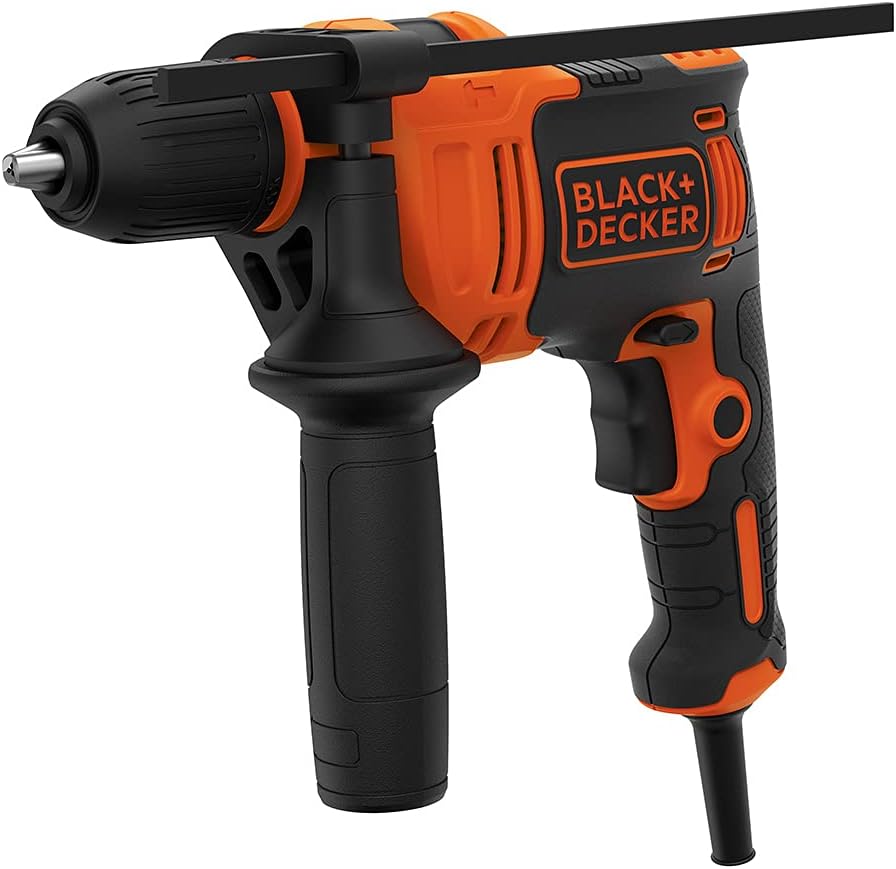
Want a powerful hammer drill that won’t drain your wallet? Today, the Black+Decker 6.5-Amp Corded Hammer Drill is the Best Budget Hammer Drill.
With two modes — drill only or hammer drill — you’ll love its versatility. This helps you shift between tasks seamlessly. The variablespeed trigger with a 2,800 rpm max adds this to the top of its class for the price. That gives you easier control and more exact drilling from your projects. Finally, the drill features a stunning 48,000 bpm impact rate for those masonry projects.
Weight is a factor as well, and at a mere 4.1 pounds, you won’t suffer fatigue during prolonged use. A keyless. 5-inch chuck allows for easy bit changes without the need for additional tools. Although it doesn’t come with bits, this allows you to use the best bits for your particular jobs.
One downside? This drill is not designed for heavy-duty work. But it functions well for one-off projects, and isn’t very reliable on heavier jobs. But it is performing very well for smaller to middle size tasks, particularly with masonry, steel or softwood.
The thing that really stands out with this drill is how easy it is to use. It has an extra stabilizing feature with a side handle that can be adjusted in three different positions for a preferred grip on the tool for use. Anyone who wants reliable performance without breaking the bank.
Things To Consider When Buying a Hammer Drill:
Just when you’re ready to tackle your next DIY project, choosing the right hammer drill can significantly enhance your efficiency and effectiveness. Understanding the various features, power levels, and applications will empower you to make an informed decision that aligns with your specific needs. From the drill’s weight to its chuck type, each element plays a vital role in your overall experience. In this guide, we’ll walk you through the crucial factors you should consider to ensure your investment matches your requirements and helps you achieve professional results at home.
Understanding Hammer Drills
A hammer drill is a versatile power tool that combines rotary drilling action with a hammering motion, making it ideal for boring holes in hard materials like concrete and masonry. This powerful tool is imperative for construction professionals and DIY enthusiasts alike, as it allows you to complete tough tasks with precision and efficiency.
Types of Hammer Drills
Drills come in various types, each designed for specific applications to meet the needs of different users.
- Rotary Hammer: Best for heavy-duty drilling tasks.
- Compact Hammer Drill: Ideal for light to medium-duty work.
- SDS Hammer Drill: Designed for compatibility with SDS drill bits for masonry.
- Combination Hammer Drill: Offers both drilling and chiseling functionality.
- Cordless Hammer Drill: Provides mobility and freedom from power outlets.
After identifying the right type, you can choose a model that fits your needs.
Key Features to Look For
To ensure you select a hammer drill that matches your requirements, you should pay attention to various key features.
- Power: Look for wattage or voltage specifications to gauge performance.
- Impact Rate: A higher beats-per-minute (BPM) means better efficiency.
- Chuck Size: Larger chuck sizes accommodate bigger bits for versatile drilling.
- Weight: A lightweight drill enhances maneuverability without sacrificing power.
- Speed Settings: Multiple speed settings provide versatility in various applications.
The right features can significantly enhance your drilling experience.
Look for power measurements, such as voltage or amperage, that indicate how much work your hammer drill can handle. Additionally, consider the impact rate; a drill with a higher impact rate will allow you to drill through tougher materials more efficiently. Ensuring the chuck size is compatible with the drill bits you plan to use is also important. Choosing a lightweight option ensures easy handling, while adjustable speed settings let you control the drilling process for different tasks. The features you prioritize will depend on your specific needs.
Important Factors to Consider
Some key factors play a significant role when selecting a hammer drill that fits your needs. These include:
- Type of material you’ll be drilling into
- Power requirements
- Weight and size
- Features like variable speed settings and hammer function
- Budget considerations
Knowing these aspects will help you make an informed decision that meets your expectations and requirements.
Power and Performance
Even a hammer drill’s power rating directly affects its performance. Higher power means faster drilling, particularly in denser materials like concrete and masonry. When assessing power, consider factors like the drill’s maximum rotation speed (RPM) and blows per minute (BPM). A drill that offers the right combination will enhance your efficiency and achieve better results on the job.
User Comfort and Handling
Clearly, user comfort and handling are vital features to consider when buying a hammer drill. A tool that is easy and comfortable to use will make tackling tasks much more enjoyable and efficient. Look for ergonomic designs, balanced weight distribution, and soft-grip handles to enhance your overall experience during use.
With the right design, a hammer drill can significantly reduce fatigue, allowing you to work longer without discomfort. Features such as adjustable handles, lightweight options, and vibration reduction technology can make a substantial difference, especially in prolonged use. Prioritizing comfort will help you maintain control and precision, leading to better outcomes in your projects.
Pros and Cons of Hammer Drills
If you’re considering a hammer drill for your projects, it’s imperative to weigh the advantages against the drawbacks. Below is a helpful breakdown of the pros and cons of hammer drills:
| Pros | Cons |
| Versatile for various materials | Can be heavier than standard drills |
| Increased drilling speed | May require more maintenance |
| Effective for masonry work | Noise level can be high |
| Features both rotation and hammering action | Higher cost compared to standard drills |
| More powerful for tough tasks | Learning curve for beginners |
Advantages of Using a Hammer Drill
Pros of using a hammer drill include its versatility in handling a wide range of materials, from concrete to wood. The added hammering action significantly boosts drilling speed, making it easier and quicker to complete tough tasks. If you frequently work with masonry, a hammer drill becomes an indispensable tool in your arsenal, saving time and effort. Its dual-functionality allows you to switch between drilling modes seamlessly, enhancing overall productivity.
Disadvantages to Keep in Mind
Pros of hammer drills also involve some potential downsides that you should consider. While the power adds efficiency, the heavier weight can lead to fatigue during prolonged use. Additionally, the increased noise level might be bothersome, particularly in residential areas. The cost can also be a factor – hammer drills typically carry a higher price tag than standard models, which could affect your budget.
Hammer drills, though powerful and efficient, tend to have a steeper learning curve for new users. This means you may need to invest time in getting accustomed to their operation. Depending on the brand, maintenance may also be necessary more frequently than for regular drills, adding to your upkeep workload. Additionally, if you do not require the hammering feature often, the investment might not be justifiable for your projects.
Step-by-Step Guide to Buying a Hammer Drill
All you need is a structured approach to find the perfect hammer drill for your needs. Follow this step-by-step guide to ensure you make an informed decision, from researching the best brands to setting your budget effectively. This will help match your specific requirements with available options in the market.
Researching Brands and Models
Clearly, understanding the marketplace is vital when selecting a hammer drill. Start by reviewing reputable brands known for their reliability and durability, such as Bosch, DeWALT, and Makita. Compare various models based on user reviews and specifications, ensuring that they suit your specific woodworking or construction needs.
Setting a Budget
Brands often influence the price of hammer drills. You can find models at various price points, so it’s important to decide how much you’re willing to spend. Prioritize features you need, as certain brands may offer excellent budget options, while others cater to the high-end market.
It is beneficial to establish a realistic budget before you start shopping. Consider not only the cost of the hammer drill itself but also accessories, maintenance, and warranty options. Some quality options can cater to diverse budgets, allowing you to find a powerful tool without breaking the bank.
Tips for Selecting the Right Hammer Drill
Despite the wide variety of hammer drills available, selecting the right one can be straightforward. Consider these vital factors:
- Power and voltage
- Weight and ergonomics
- Chuck size and type
- Drilling speed and modes
- Budget and warranty
Thou will find the perfect hammer drill that meets your specific requirements by focusing on these aspects.
Assessing Your Needs
Selecting the right hammer drill begins with assessing your specific needs. Consider the types of projects you plan to tackle—are you primarily drilling into wood, concrete, or masonry? The material affects the drill’s power and functionality. Additionally, think about the frequency of use, as this can guide you toward a lighter or more robust model. Knowing your needs helps streamline your selection process.
Evaluating Reviews and Recommendations
While personal preferences play a significant role, evaluating reviews and recommendations can help you make an informed decision when choosing a hammer drill. Look for user experiences and expert opinions to gauge the performance and reliability of the models you’re considering.
Your choice of hammer drill should reflect not only the specifications but also the insight gathered from others’ experiences. Pay attention to feedback regarding durability, ease of use, and any issues users have encountered over time. Cross-reference multiple sources to ensure you’re getting a well-rounded perspective, as this will ultimately lead you to a drill that suits your needs perfectly.
Maintenance and Care
Keep your hammer drill in optimal condition by incorporating regular maintenance into your routine. Cleaning the tool after use, checking for any loose screws or connections, and storing it in a dry place can significantly extend its lifespan. Additionally, ensure that the bits are sharp and appropriately sized for your tasks to maintain efficiency and performance.
Keeping Your Hammer Drill in Top Shape
Care for your hammer drill by routinely checking its components and cleaning it as needed. Wipe down the exterior to prevent dust buildup and inspect the chuck for wear and tear. Lubricate moving parts lightly and store your drill in a protective case to avoid damage when not in use.
Common Issues and Troubleshooting
Now, it’s important to recognize the common issues you might face with your hammer drill and how to troubleshoot them effectively. Addressing problems early can prevent further damage and ensure consistent performance.
Issues like drill bit slippage, reduced power, or unusual noises can indicate underlying problems. For bit slippage, ensure the chuck is tightened properly; if power fades, check the battery or power source. Additionally, listen for strange sounds that could suggest worn bearings. Regular inspections and timely interventions can prevent major repairs and keep your hammer drill running smoothly.
Summing up
To wrap up, when buying a hammer drill, you should consider its power, drill size compatibility, type of hammering action, and additional features that enhance usability, such as variable speed settings and built-in lights. Your choice should also reflect the nature of your projects, whether for home improvement or professional construction work. Evaluating brands and reading customer reviews can guide you toward a reliable model that meets your needs, ensuring that your investment serves you well for years to come.
