Best APS-C Cameras 2025
Best APS-C Cameras are on everyone’s radar when searching for top-notch photography gear. If you’re feeling overwhelmed by confusing specs or subpar shots, we’ve got your back. In this post, you’ll discover exciting mirrorless and DSLR options that deliver stunning clarity and ease-of-use. Prepare to transform your photography experience with our expert insights and practical tips as we dive into the world of exceptional image quality.
Contents
- Top 5 APS-C Cameras:
- 1. Sony A6700
- 2. Canon EOS R10
- 3. Nikon Z fc
- 4. Fujifilm X-T5 Mirrorless Camera
- 5. Fujifilm X-S20
- Things To Consider When Buying a APS-C Camera:
- Types of APS-C Cameras
- Mirrorless Cameras
- DSLR Cameras
- Important Factors to Consider
- Sensor Quality
- Lens Compatibility
- Pros and Cons of APS-C Cameras
- Advantages
- Disadvantages
- Tips for Choosing the Right Camera
- Define Your Needs
- Budget Considerations
- Step-by-Step Buying Guide
- Research and Compare Models
- Test Before You Buy
- Expert Recommendations
- Best Brands
- Top Models to Consider
- Summing up
Top 5 APS-C Cameras:
1. Sony A6700

Great photos are easier than ever to achieve with the Sony A6700 It is one of the greatest APS-C mirrorless cameras to date. You will get sharp images, and balanced images with this bad boy; no more blurry action shots, no more disco (noisy) shots even under challenging conditions, on what would have been the worst photographs you could have taken with your old camera. The 759-point phase detection autofocus leaves nothing to be desired, reliably detecting and following most subjects.
Videographers will also like the A6700. It records 4K 60p, oversampling from 6K, so you can watch your adventures back in matchless clarity. Unlike a few of its competitors, it has a fantastic assortment of lenses, and you’ll have not one but a few seemingly perfect options for your photography needs. The grip is deeper and the controls are left open, giving you a better feel for the camera.
But here and there there may be a little work to do. At higher ISO settings you may start to see some noise in your images. And, when shooting 4K 120p, you’re looking at a 1.6x crop too, which may not be to everyone’s tastes. Whilst the menu system can at times be daunting, once you’ve got to know your way around it, it’s possible to make quick changes on the fly.
And my biggest impression with the A6700 was in its autofocus. This is a feature that takes the worries and effort out of shooting, allowing you to concentrate on the composition. If you want a diverse camera that performs well in a range of situations, then the Sony A6700 is for you. Go find the world of photography and see what the world has in store.
2. Canon EOS R10

Gift Guide DSLR Replace old camera and get the unbeatable geedisc Imaging experience. Unique to this model, and in what makes it stand out, is its 15fps burst shooting rate and a sophisticated subject-tracking autofocus system that includes a stellar 651 AF points. These capabilities enable you to track high-speed sports action or record wildlife in its natural environment with ease.
Weight and grip are so important for photography comfort, and here the R10 is absolutely excellent. Its light body design and deep grip makes it easier and more fun for beginners to handle. Getting into photography is made a little less intimidating thanks to this friendly camera. What’s more, the addition of an AF joystick makes focusing even easier, lifting the overall shooting experience.
Some things could be better, but they don’t detract from its strengths. The EVF might be a little small for some users, and lack of image stabilization may come up short for users looking for steady shots. But hey, that’s all the more motivation to make you grow even more confident in your skill!
Compared with competitors, such as the Olympus OM-D E-M10 Mark IV, the R10 stands out with its fast shooting speed. And while you may be a little restricted with RF mount lenses, there are still plenty to experiment with.
The most exciting thing for me about the R10 is the way it allows beginners to have confidence and creatively explore. It’s hardly surprising it isn’t easy to refuse this model when it offers all this and more: speed, simplicity, precision.
3. Nikon Z fc

Prepare to be smitten with the Nikon Z fc! This cool looking camera digitally shoots up to date but captures film-like photos delivering a head turner which stand out in the APS-C market. After the well-know Nikon FM2, this model is a carrier from FM2, tells a lot of joy shooting experience on your hands.
Featuring a 20.9MP sensor, this camera provides gorgeous, detailed photographs that capture all of the moments life has to offer. Capture 4K/30p video that far exceeds HD resolution, perfect for your travels and vlogging. And along with autofocus on the fly, you’ve also got tracking that keeps your subjects —- both humans and animals —- in sharp focus, so you don’t miss the one moment your wife had left after your last comment.
The Z fc is, above all, a camera that feels fun to use, and that’s one of the very best things about it. It will take you back to an easier and more loving period with the move of a mouse or click of a keyboard everything is possible AND available. Plus, though it doesn’t have quite as many native lenses as Fujifilm’s X-series, there are still a host of lenses to help you capture amazing shots.
What could be better? Others may pine for a weatherproof construction, especially for outdoor excursions. You are unlikely to use this for professional presentations, but then again this camera isn’t what you would use for pro video shoots, so that is a minor thing.
If you want nostalgia and performance in a single product, this camera is a great one to buy. The Nikon Z fc has everything casual shooters could ask for, while keeping a stylish vintage vibe.
4. Fujifilm X-T5 Mirrorless Camera

Take beautiful photographs with the Fujifilm X-T5 Mirrorless Camera. This powerhouse has a 40-megapixel APS-C sensor and can compete with full-frame sensors. Your images will be sharp and detailed with very low noise, and that classic Fujifilm color.
What separates this camera from the pack is that it’s built with still photography in mind. While it shoots 6.2K video at 30 frames per second, the X-T5 excels at still image capture. You will love the classic-looking design of the camera, designed to look like older film cameras, that not only looks good, but also gets the job done. Physical dials for ISO, shutter speed and exposure compensation enable fast adjustments. This interactive experience not only adds intelligence, but allows you to get more hands-on with your shooting operation and makes shooting all the more instinctive.
It’s also about more than just its price, since Fujifilm also features a wonderful (and surprisingly affordable) lineup of lenses. This is an inexpensive system — a camera and lens — which, if you’re just starting out, is well suited to an emerging photographer. You’ll be positively browsing the creativity without emptying the bank.
The only slight downside is that the grip on the camera body is pretty shallow and it might feel a bit tight for bigger hands. No worries though — it doesn’t impede the entire interaction. You’ll still like the ergonomics, especially after hours and hours of shooting.
There is also no doubt, Fuji X-T5 is one of the greatest APS-C cameras released in the market. It offers excellent image quality, easy to use controls and an affordable price point – ideal for budding photographers. Find out how you can take your photography to the next level today!
5. Fujifilm X-S20
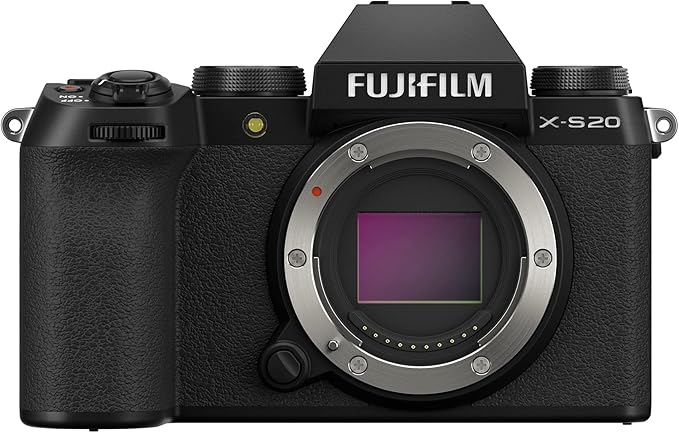
Fujifilm X-S20: Soar to new heights of photography. This camera blends easy-of-use with advanced features. WIth a 26.1MP X-Trans CMOS 4 sensor, it provides excellent image quality. The X-Processor 5 improves performance and comes equipped with a larger battery to keep shooting longer.
A highlight of the spec is the remarkable internal video recording at 6K/30p at 10bit 4:2:2. That makes it ideal for content creators who want great video but not additional gear. Friendly dials make operation a breeze to users who are just getting started. Convenient Vlog mode and user experience Vlog mode & powerful features to create professional quality creative clips and contents.
The in-body image stabilization was particularly effective while I was shooting handheld. It removes stability destroying shaky footage and makes it easy for you to produce great looking hyper smooth professional level shots. Improved subject tracking and automatic scene detection also make it more friendly for beginners. They are so clever and enable one to pay more attention to the creative process and less on the technical side.
While the price tag might be a bit steep for some photographers, others will welcome the extra features and options compared to the X-S10. But an all-weather body would have more thoroughly differentiated this model from the competition. Even so if you are seeking versatility in both stills and video, Fujifilm X-S20 shines a feverish silver.
Comprehensive testing reveals that this camera holds its own as one of the best APS-Cs we have ever tested. Pick this one up for its sturdy build and features that make users feel enabled. Discover what the Fujifilm X-S20 has to offer!
Things To Consider When Buying a APS-C Camera:
Most photographers find themselves debating between different camera formats, and an APS-C camera often strikes a perfect balance between quality and portability. As you initiate on your journey to find the ideal camera, it’s crucial to consider factors such as sensor size, lens compatibility, and budget. This guide will equip you with the knowledge needed to make an informed decision that aligns with your photography needs and goals.
Types of APS-C Cameras
To choose the right APS-C camera for your needs, it’s vital to understand the various types available:
Mirrorless Cameras
The rise of mirrorless technology has brought about cameras that are both compact and powerful. With their electronic viewfinders and faster autofocus systems, you can enjoy capturing high-speed action and low-light scenes without the bulk of traditional systems. These cameras also offer a wide range of lenses that allow you to adapt to various shooting conditions easily.
DSLR Cameras
Little compares to the robust performance and versatility of DSLR cameras. Equipped with an optical viewfinder and usually featuring larger batteries, DSLRs offer a reliable experience for enthusiasts and professionals alike. They come with a broad array of lens options, making them suitable for various photography genres.
DSLR cameras are favored for their intuitive controls and impressive image quality. They excel in autofocus and are designed for fast shooting, ensuring that you won’t miss critical moments. Additionally, thanks to their established ecosystem, you’ll find many accessories and lens options to enhance your photography journey.
Important Factors to Consider
Clearly, when purchasing an APS-C camera, you need to evaluate several important factors to ensure that your investment meets your photography needs. Take the time to consider these aspects:
- Budget and value for money
- Sensor quality
- Lens compatibility
- Size and weight of the camera
- Brand reputation and support
- Special features and specifications
Recognizing these key elements will help guide you to the right choice for your photography journey.
Sensor Quality
Any camera’s performance largely hinges on sensor quality, as it determines image resolution, dynamic range, and low-light performance. An APS-C camera with a larger and more capable sensor will not only produce better images but also allow you more creative flexibility in various lighting conditions. Look for cameras with advanced sensor technology to enhance your shooting experience.
Lens Compatibility
Sensor compatibility plays a pivotal role in ensuring you can access and use a range of lenses to suit your photography style. Make sure to choose an APS-C camera that offers compatibility with a wide array of lenses, both native and third-party options within the same mount system.
Compatibility with lenses not only broadens your creative possibilities but also allows for easier upgrades as you evolve as a photographer. Ensure your camera supports an ecosystem of lenses that align with your vision, from wide-angle to telephoto options. This will enable you to explore different genres of photography without limitations.
Pros and Cons of APS-C Cameras
One of the most important steps in selecting an APS-C camera involves weighing its pros and cons to determine if it’s the right fit for your photography needs.
| Pros | Cons |
|---|---|
| Lightweight and portable | Limited low-light performance |
| Good depth of field control | Crop factor affects lens selection |
| Affordability | Less image quality compared to full-frame |
| Wide range of lenses available | Less dynamic range |
| Great for travel photography | Slower autofocus in some models |
Advantages
Even as you explore APS-C cameras, you will find several advantages that appeal to many photographers. Their compact size and lightweight nature make them ideal for traveling. Additionally, with a more affordable price point, they provide an accessible entry into quality photography without breaking the bank. Furthermore, APS-C cameras offer a good depth of field control, allowing you to create beautiful bokeh effects in your images.
Disadvantages
For all their strengths, APS-C cameras have disadvantages you need to consider. These cameras generally struggle with low-light performance compared to their full-frame counterparts, which can limit your shooting options in darker settings. Additionally, the crop factor can affect your choice of lenses, making prime or wide-angle lenses less effective.
Disadvantages also include issues with dynamic range and autofocus performance. If you’re passionate about capturing detailed highlights and shadows, you may find that APS-C cameras fall short in dynamic range. Also, some models exhibit slower autofocus, which could hinder your ability to capture fast-moving subjects and spontaneous moments effectively. Understanding these limitations is key to deciding whether an APS-C camera aligns with your photography style.
Tips for Choosing the Right Camera
Unlike choosing a simple point-and-shoot, selecting an APS-C camera demands careful thought. Consider these factors:
- Type of photography you intend to do
- Weight and size preferences for portability
- Lens compatibility based on your needs
- Brand reliability and customer service
- Available features like Wi-Fi and video capabilities
Thou should evaluate these aspects thoroughly to find the perfect camera for your requirements.
Define Your Needs
For optimal satisfaction with your new camera, pinpoint your primary photography interests, such as landscapes, portraits, or wildlife. Each genre has distinct requirements, influencing your lens choice, camera features, and overall capabilities. By clearly defining your needs, you can better identify which models align with your style.
Budget Considerations
Needs play a significant role in determining your budget for an APS-C camera. Evaluate how much you are willing to invest based on your photography goals and the features that are important to you.
This budget assessment should include not only the camera body but also lenses, accessories, and potential upgrades. Factor in costs for vital items like tripods, memory cards, and protective gear. Setting a realistic budget upfront will help you focus on options that meet your needs without overspending, ensuring you make a well-informed investment in your photography journey.
Step-by-Step Buying Guide
Now that you are ready to invest in an APS-C camera, follow this step-by-step buying guide to make the most informed decision possible.
Research and Compare Models
Some of the best decisions come from thorough research. Dive deep into the specifications, reviews, and user experiences to find the models that fit your needs.
Test Before You Buy
Assuming you have done your research, testing is the next vital step. Visit a camera store to handle the camera, checking its ergonomics and functionality.
Research shows that personal experience is invaluable when selecting a camera, as it allows you to assess the weight, grip, and button layout. Pay attention to how the camera feels in your hands and whether you can easily access important controls. Test the autofocus speed, responsiveness, and even the image quality in various lighting conditions. This firsthand experience can significantly influence your final decision, ensuring that the camera you choose fits comfortably into your photography lifestyle.
Expert Recommendations
Your choice of an APS-C camera can greatly influence your photography experience. To ensure that you make an informed decision, it’s helpful to look at expert recommendations regarding brands and models. This guidance can help narrow down your options and lead you to a camera that fits your needs perfectly.
Best Brands
Some of the top brands in the APS-C camera market include Canon, Nikon, Fujifilm, and Sony. These manufacturers have established a reputation for producing high-quality cameras that cater to both beginners and more experienced photographers. Exploring their offerings will give you a solid foundation for your selection process.
Top Models to Consider
Consider looking into popular models such as the Canon EOS 90D, Nikon D7500, Fujifilm X-T30, or Sony Alpha a6400. Each of these cameras brings unique strengths to the table, catering to various preferences and styles.
Plus, it’s important to evaluate the specifications and features of these models in relation to your photography needs. For example, if you prioritize video capabilities, the Canon EOS 90D’s 4K recording can be a major advantage. Alternatively, you might lean toward the Fujifilm X-T30 for its exceptional color reproduction and retro design. Whichever model you choose, aligning it with your specific requirements will enhance your overall photography experience.
Summing up
Upon reflecting on your decision to buy an APS-C camera, it’s vital to evaluate your shooting needs, budget, and the type of photography you want to pursue. Consider factors such as sensor quality, lens availability, size, and weight, as these will impact your overall shooting experience. Additionally, assess the brand’s ecosystem for accessories and support. Ultimately, finding the right APS-C camera that aligns with your vision and requirements will enhance your photography journey.
